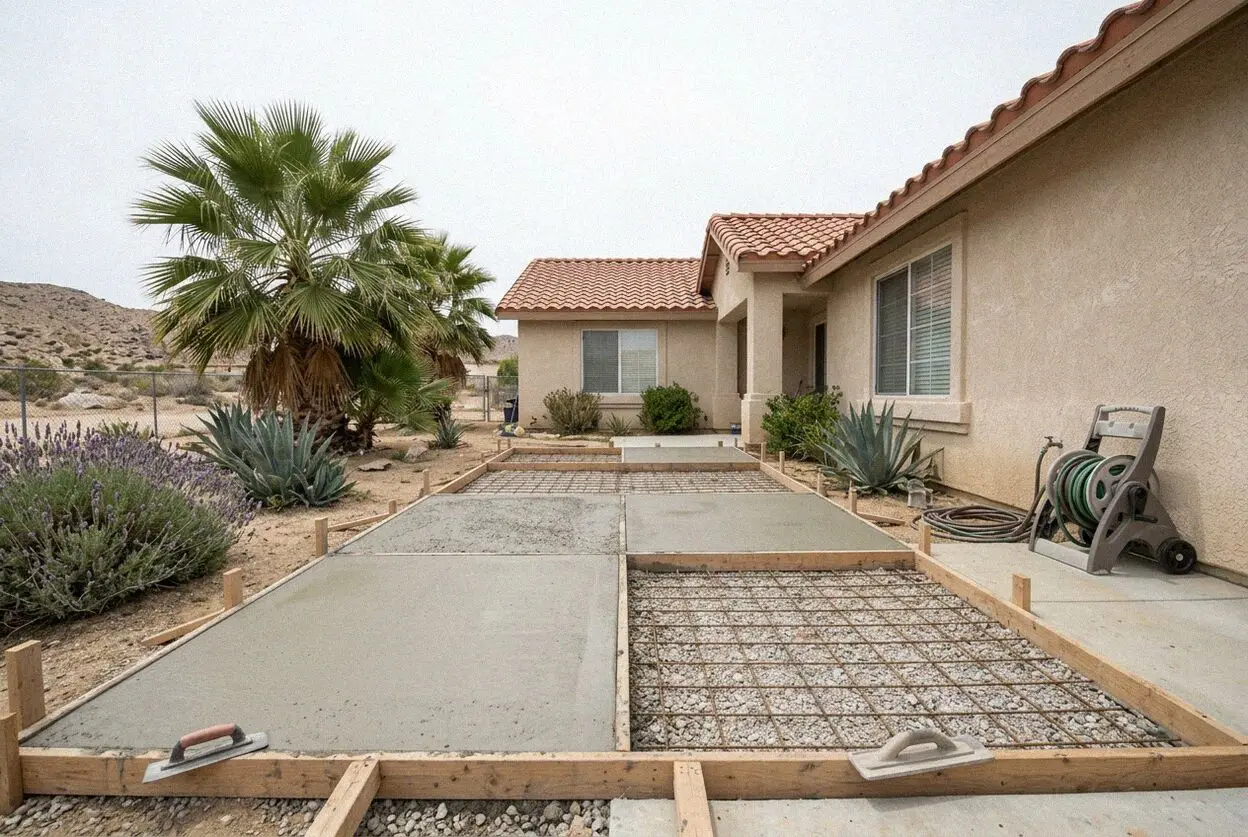
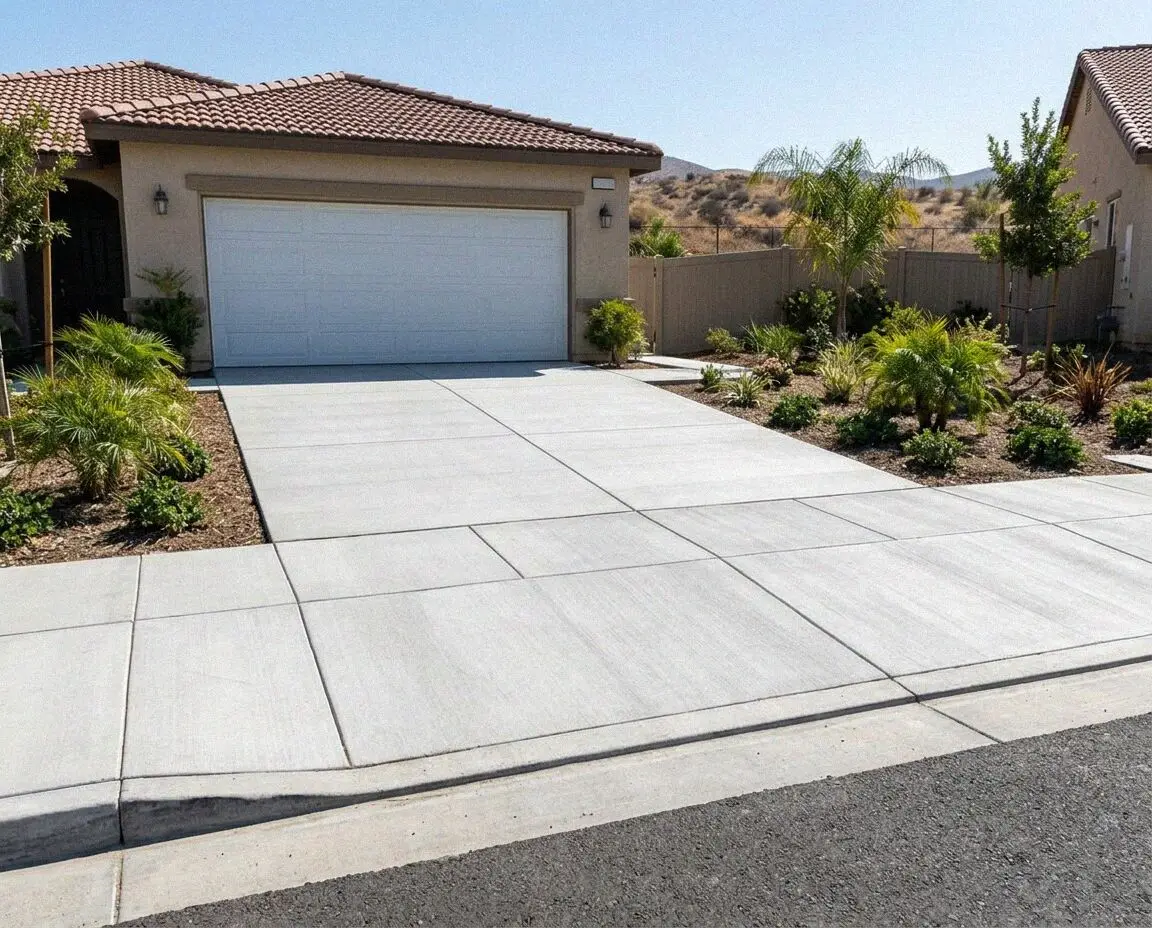
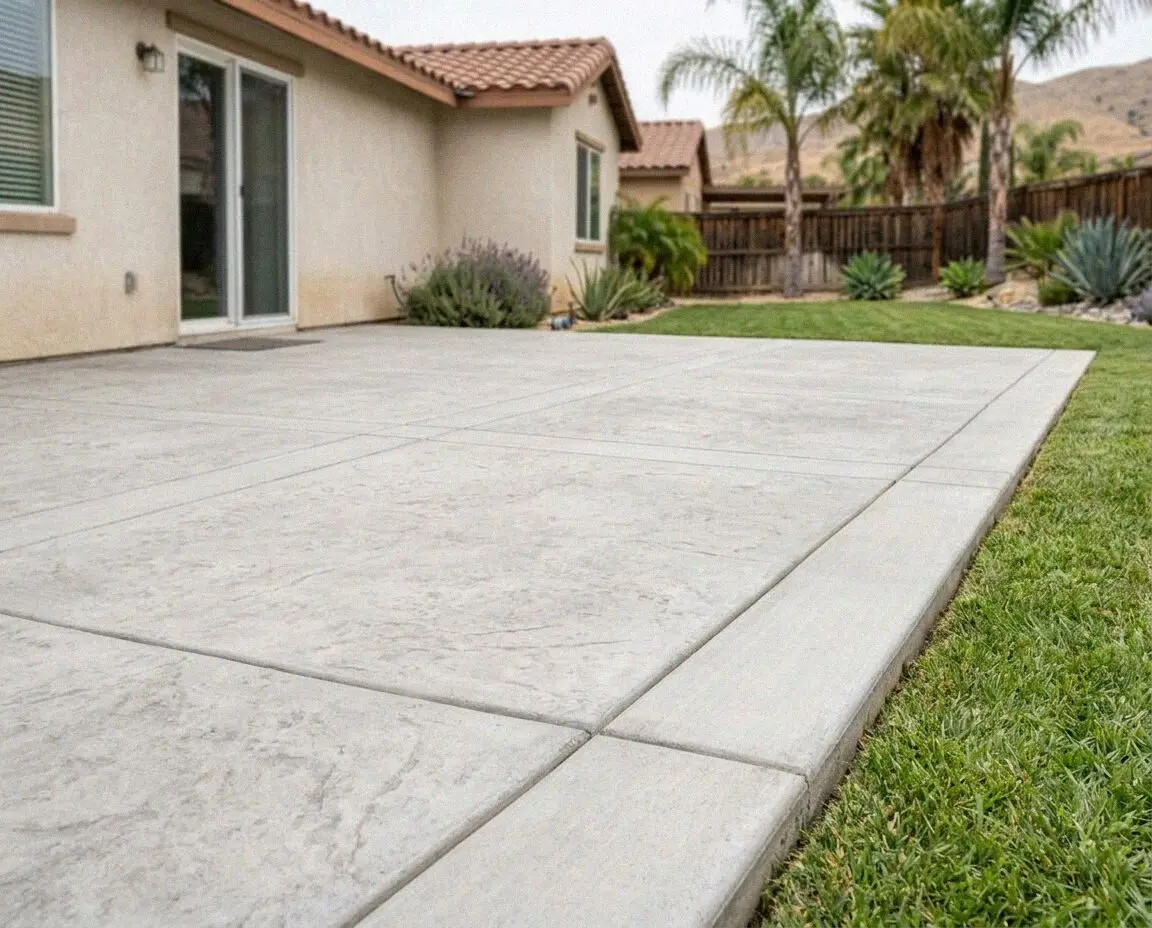
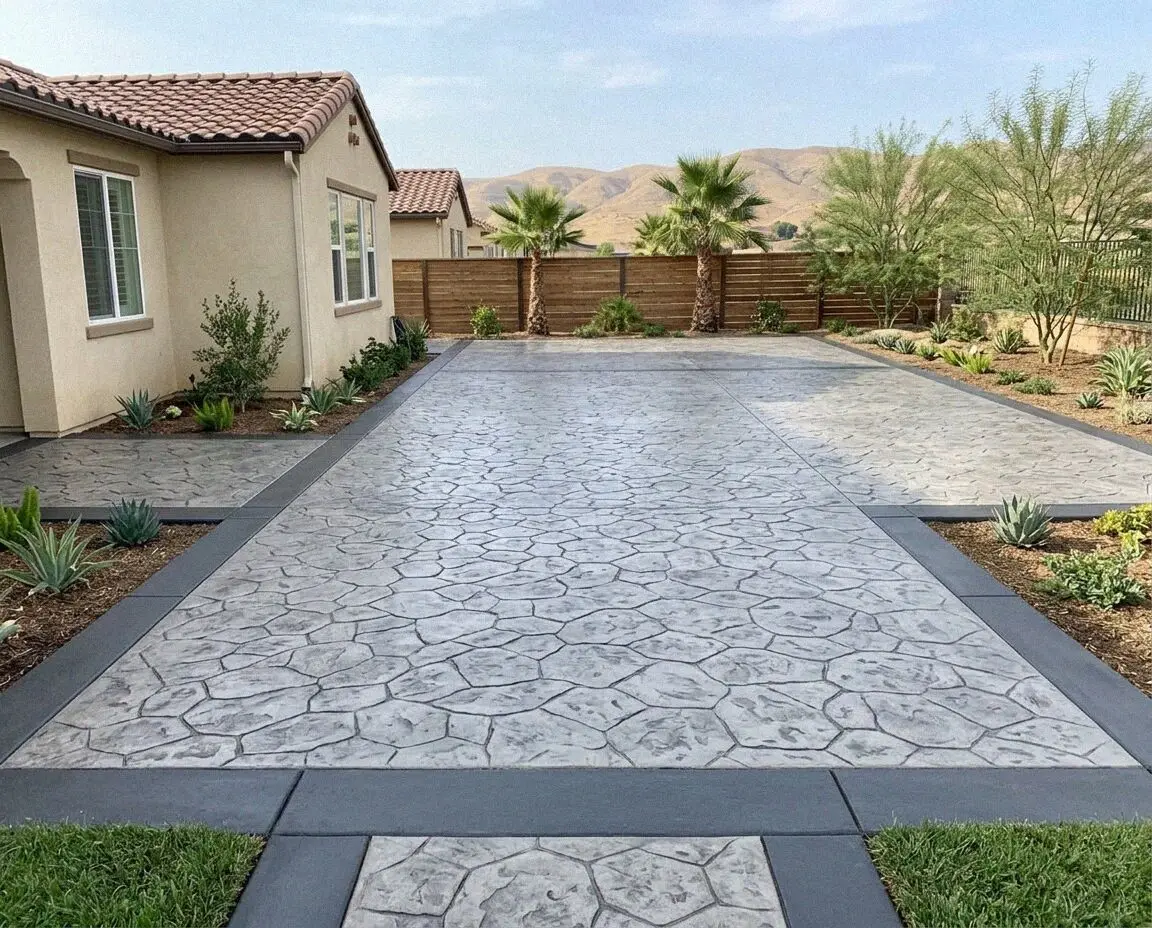
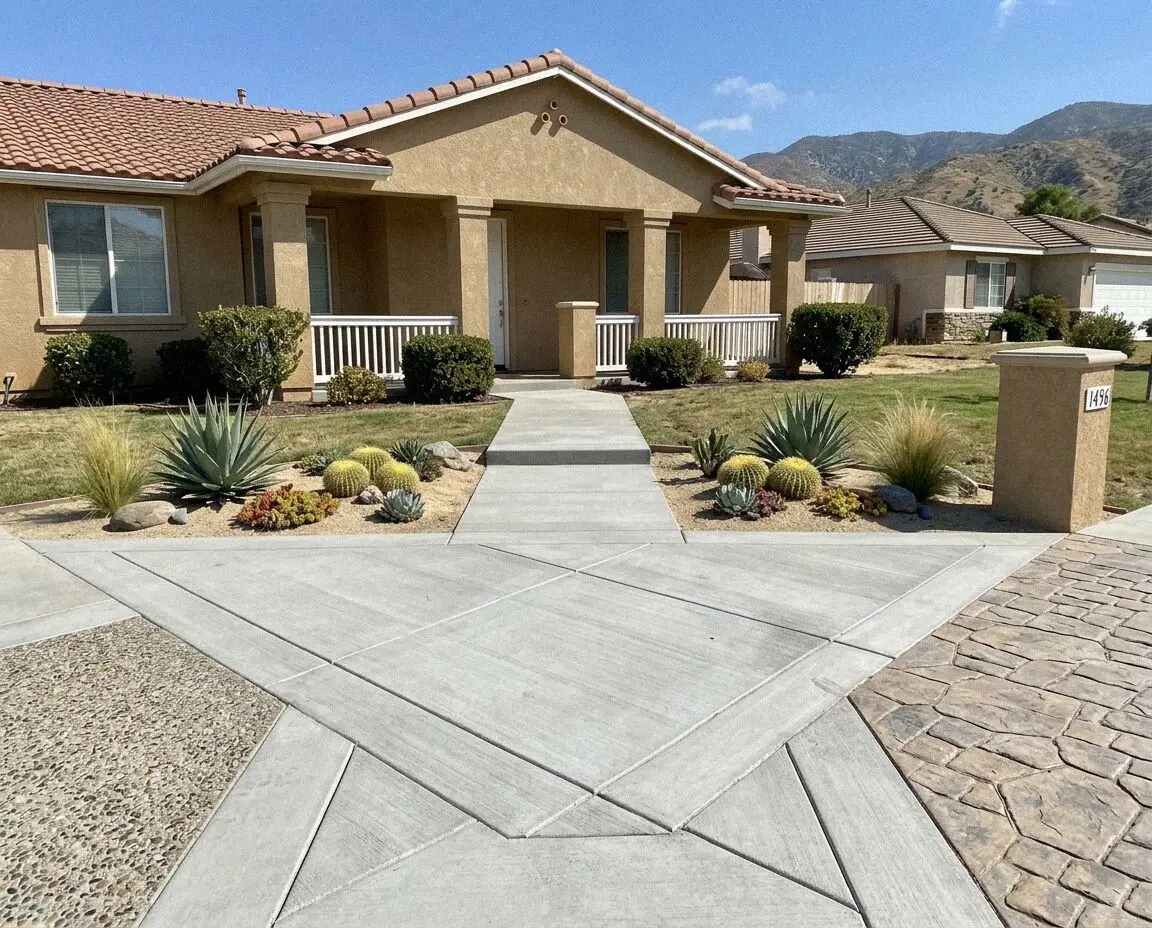
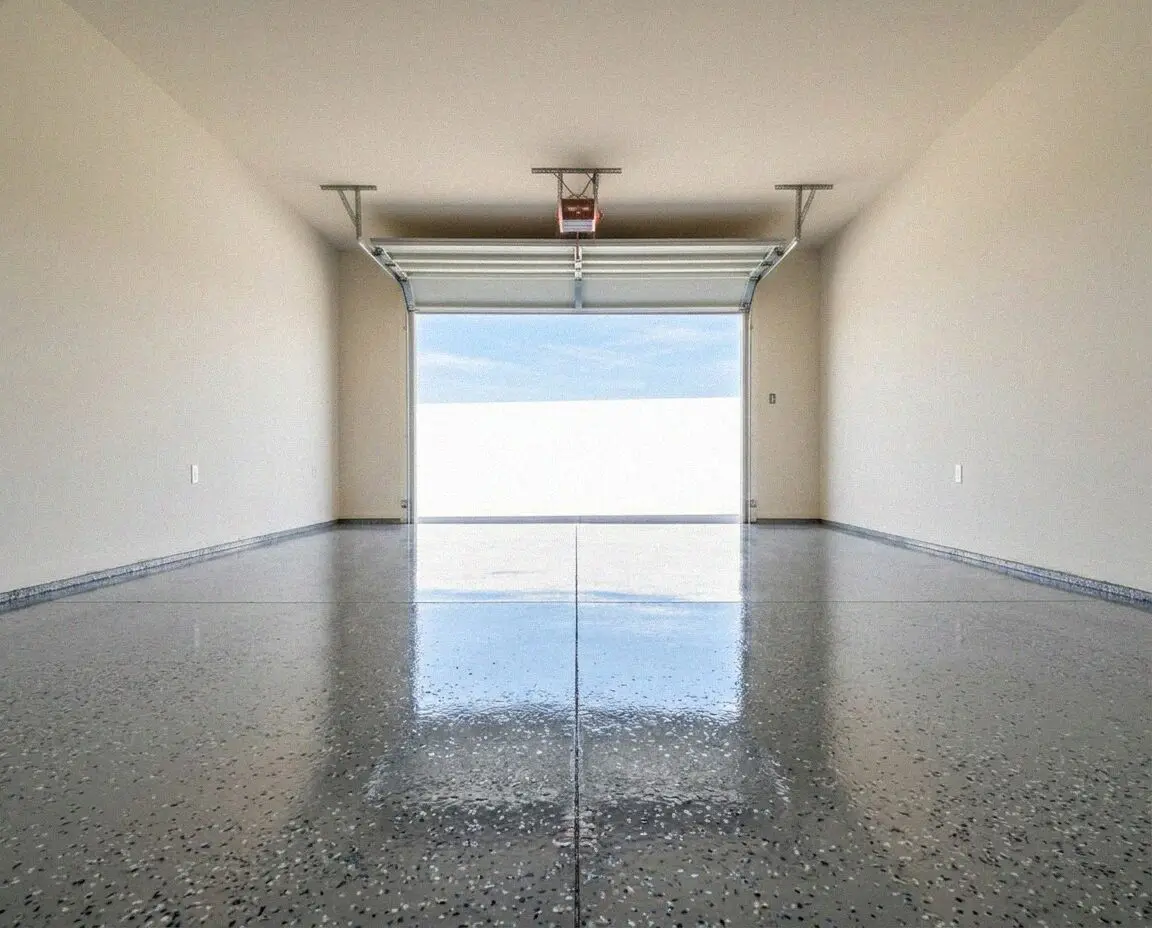
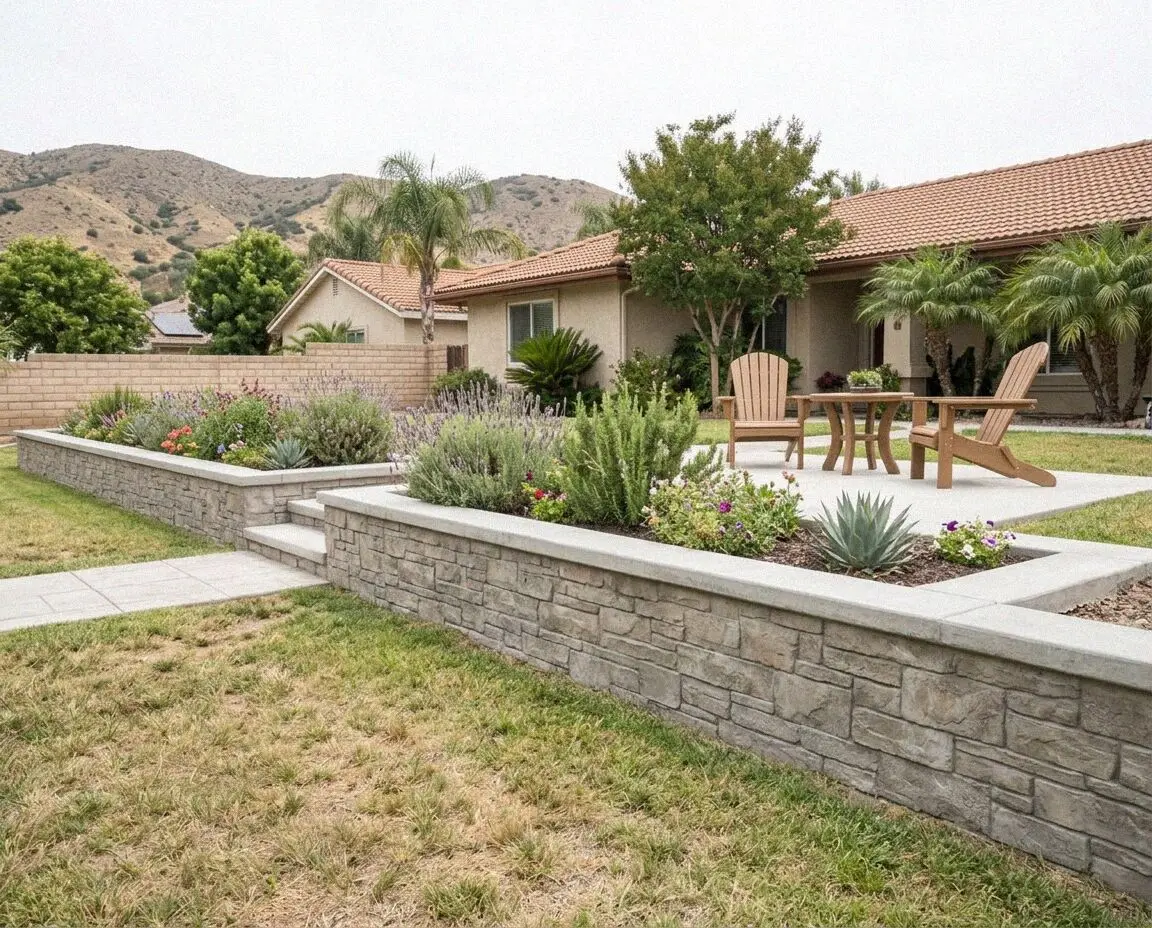
Permits go through the City of Hesperia Building and Safety counter at 9700 Seventh Avenue, and we file them rather than leaving it to you. The line up here falls in an unusual place: a patio slab replaced on its own footprint is generally straightforward, but a detached shop or a covered RV pad is a structure, so it carries a footing and a plan check before anyone pours. We tell you which of the two you have before the estimate is written, not after the inspector arrives.
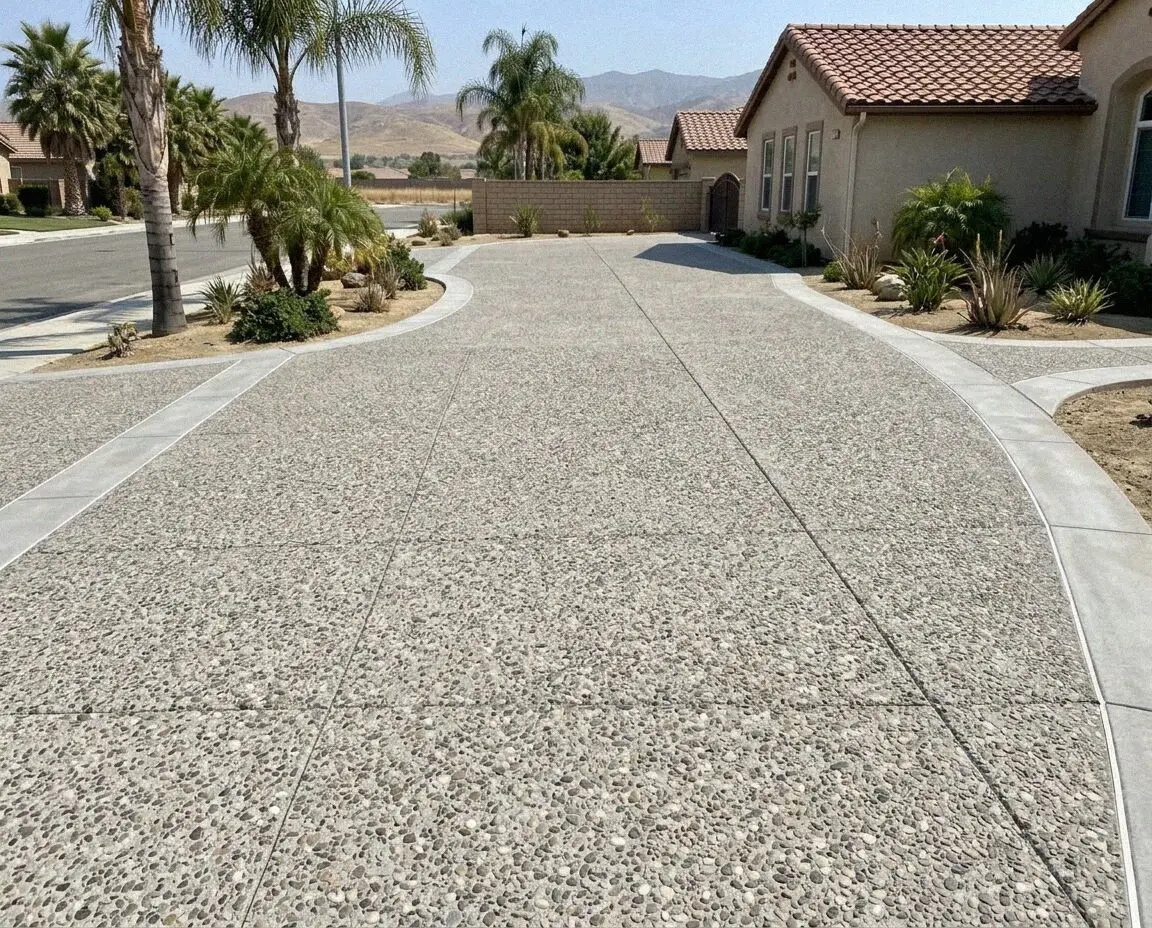
The crews run the 15 up through the pass, and what they find at the top is a town of large parcels rather than tract frontages. We work the older ranch lots off Main Street, the 1990s and 2000s tracts either side of Ranchero Road, the Mesa blocks running west toward Oak Hills, and the properties backing onto the Mojave River wash. A half-acre parcel with a hundred-foot drive and a detached shop is a different site plan from a west-end tract lot before it is a different pour.
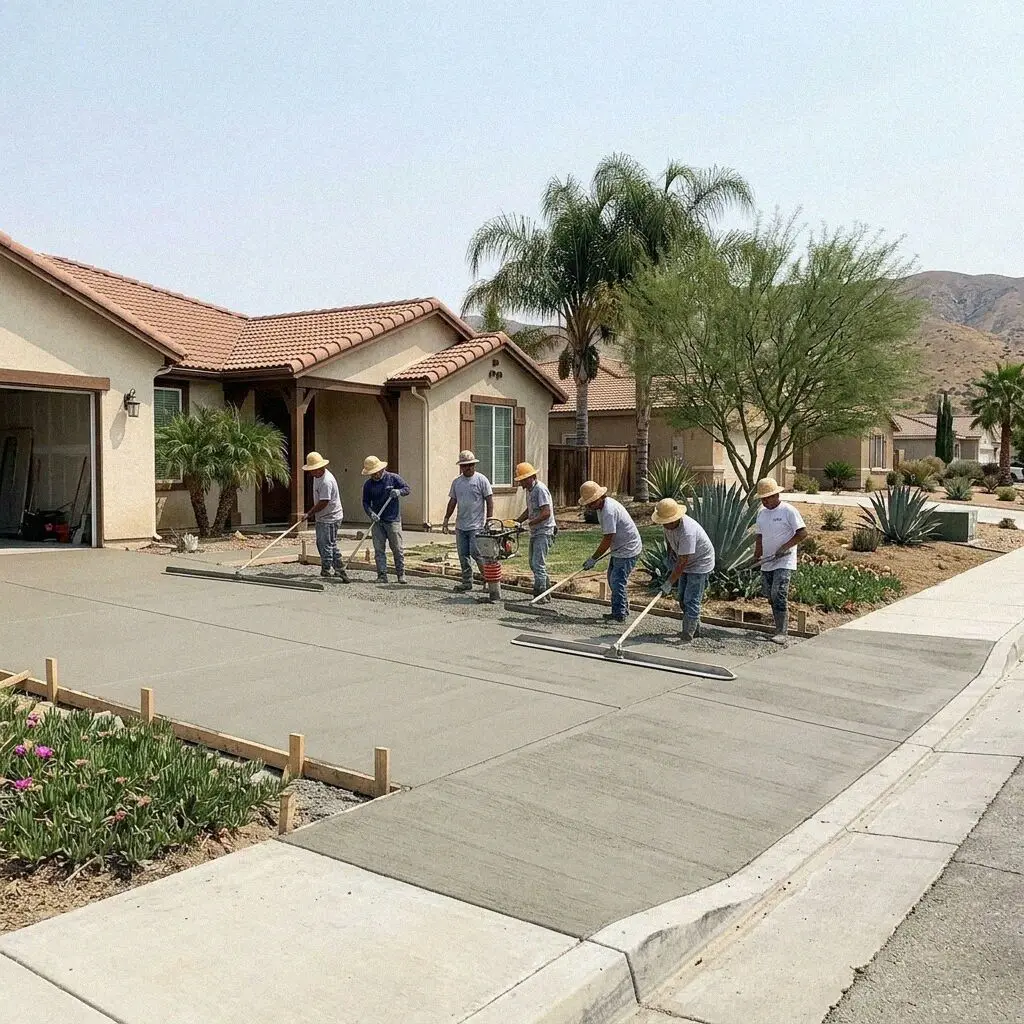
Wind is the other thing the pass does. Air moves through it hard enough to pull moisture off a fresh slab far faster than still valley air does, and a surface that dries before it has finished bleeding crazes and dusts within the year. Hesperia pours get wind breaks on the exposed side, an evaporation retarder when the gauge asks for it, and curing compound on as soon as the finish takes it. The ready-mix is batched this side of the pass, inside the truck's discharge window.