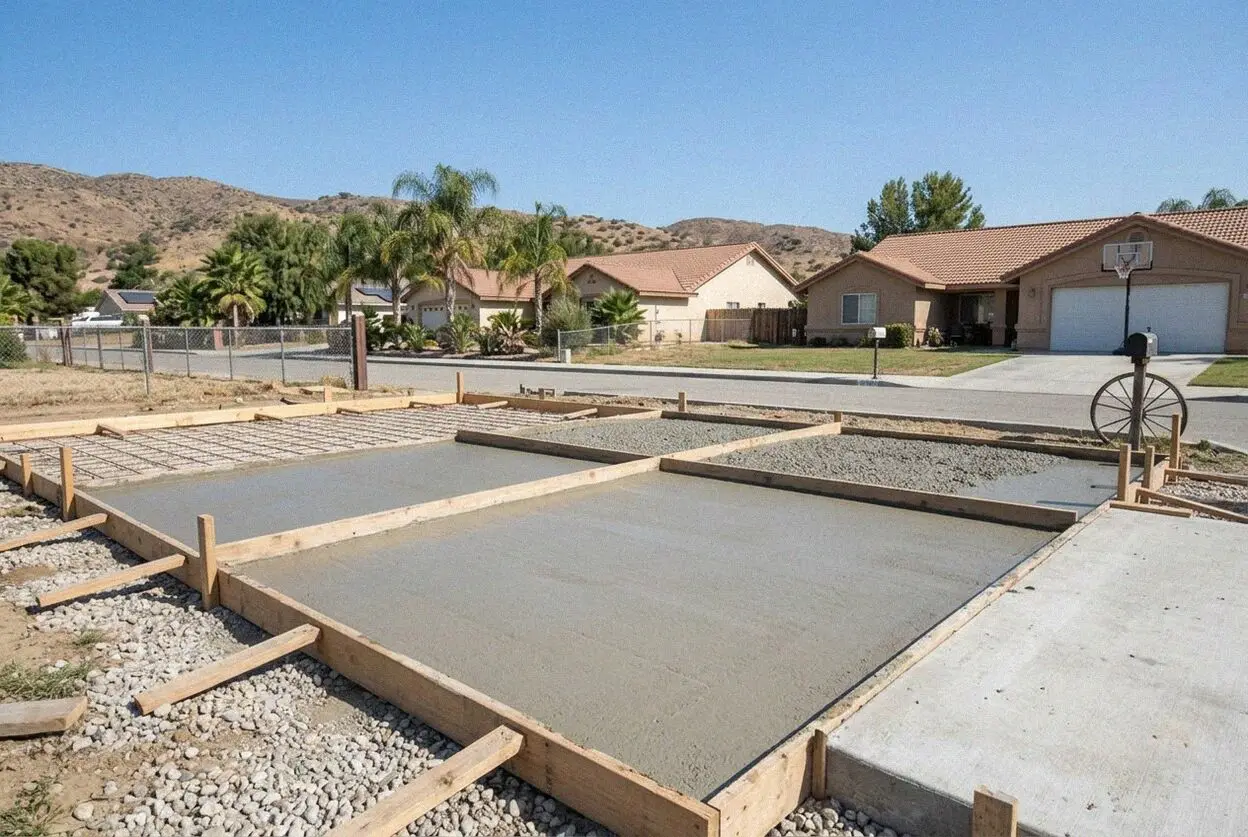
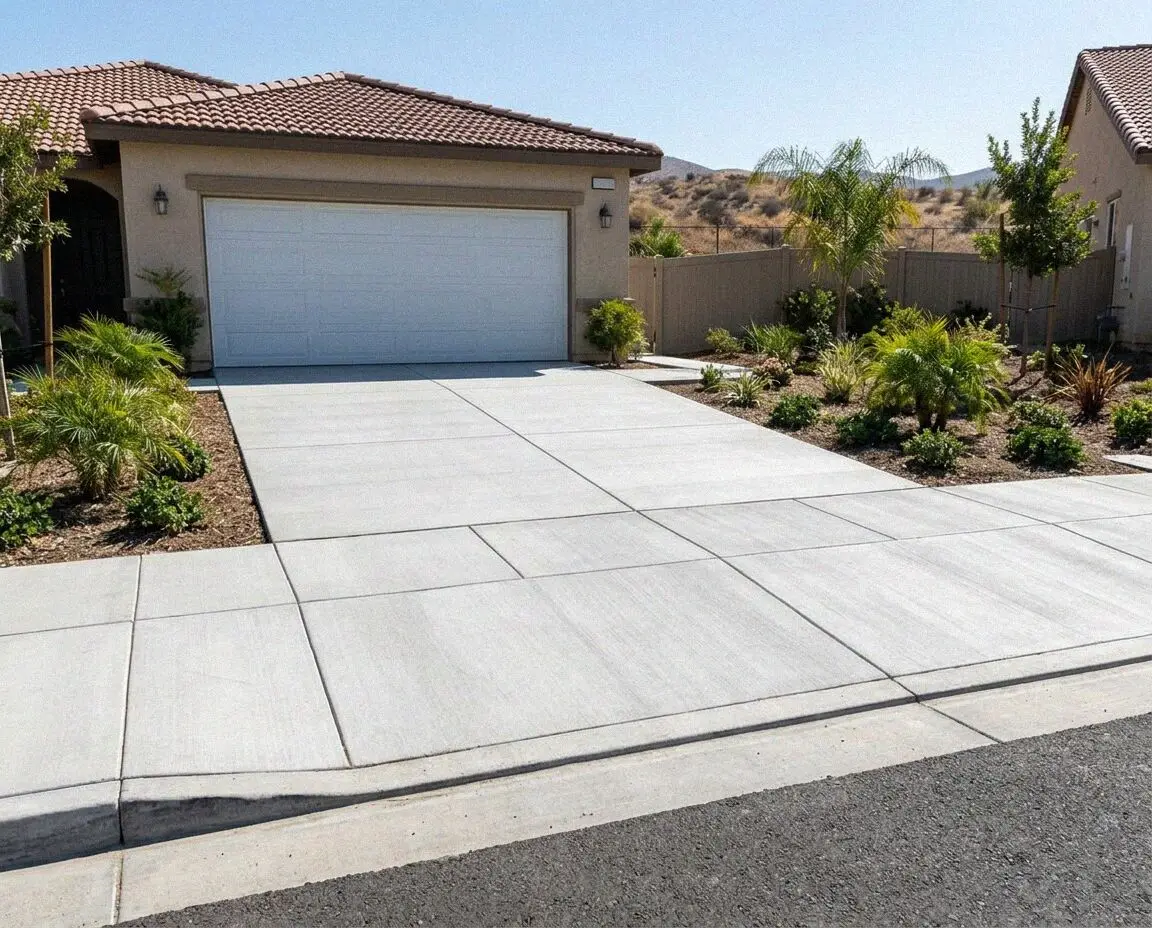
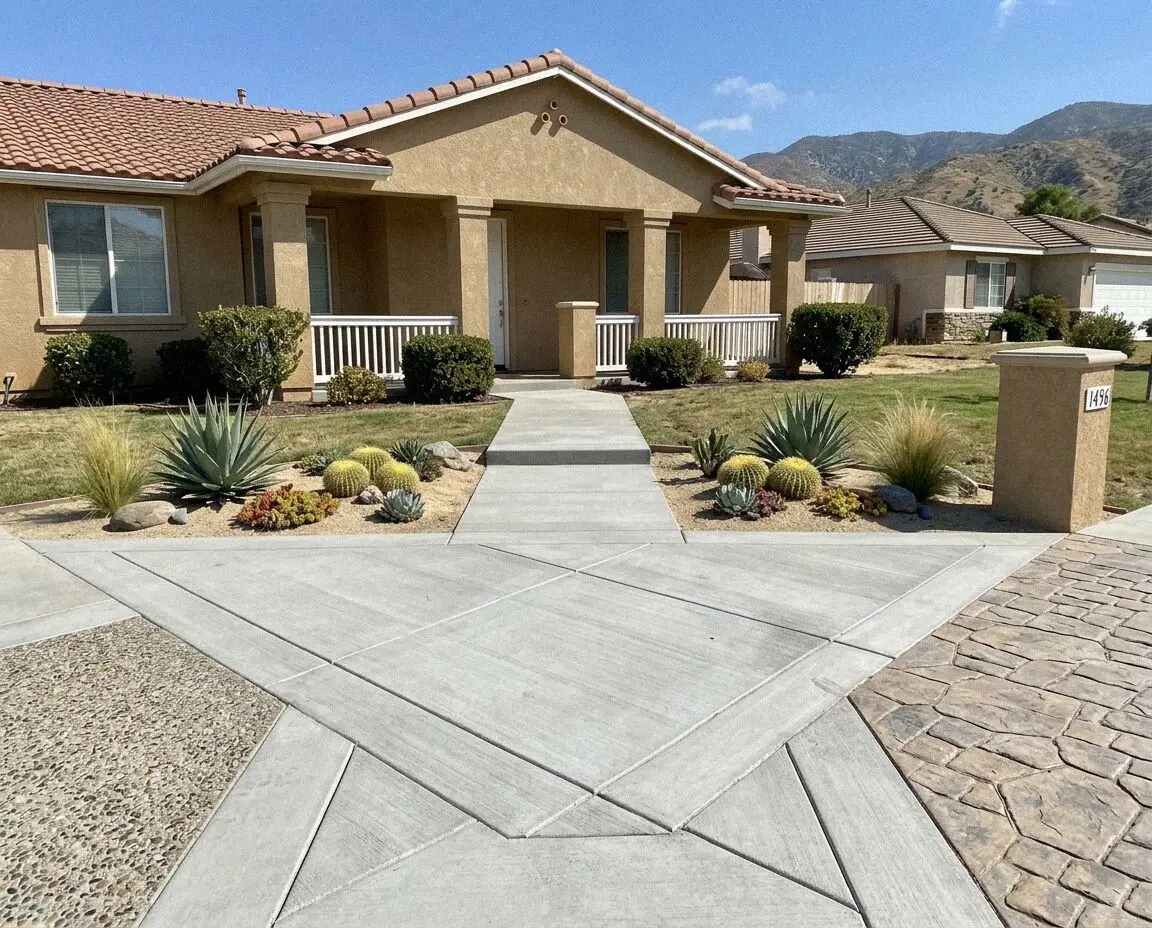
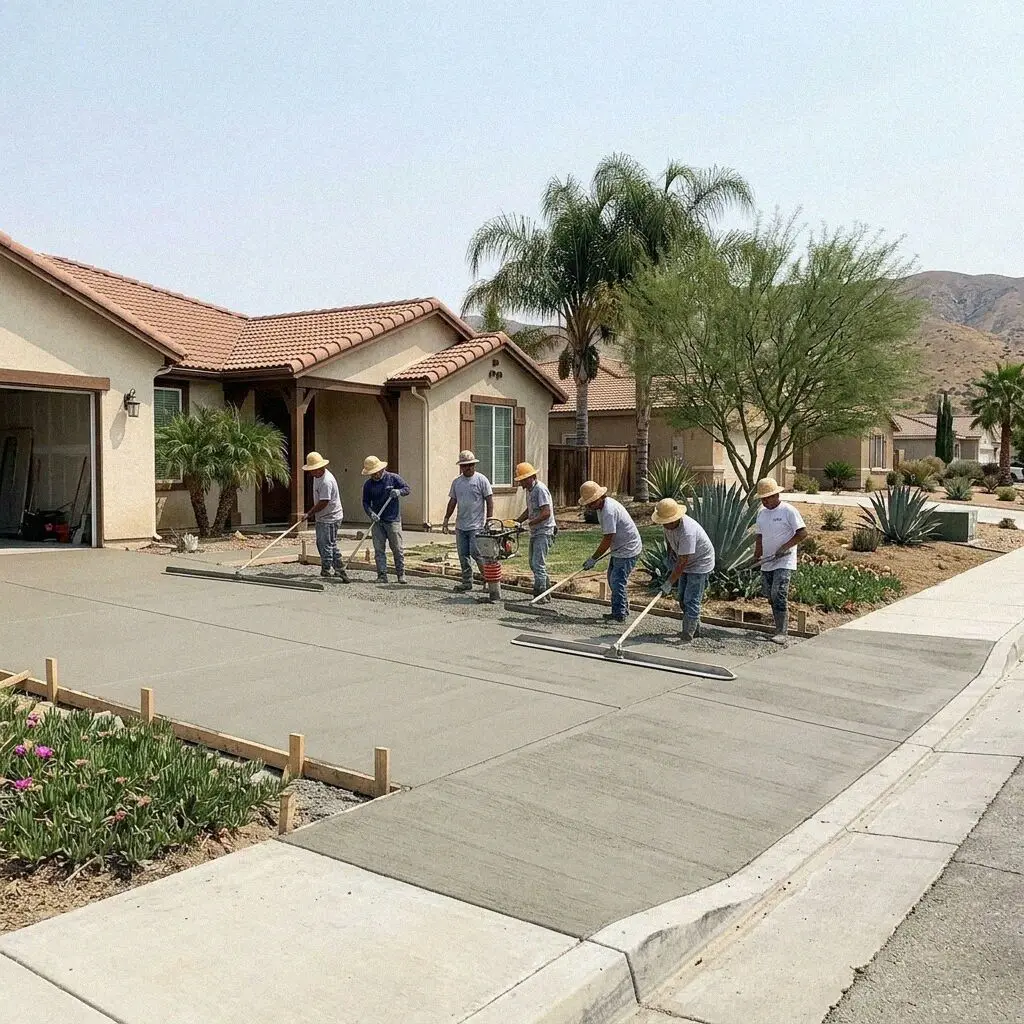
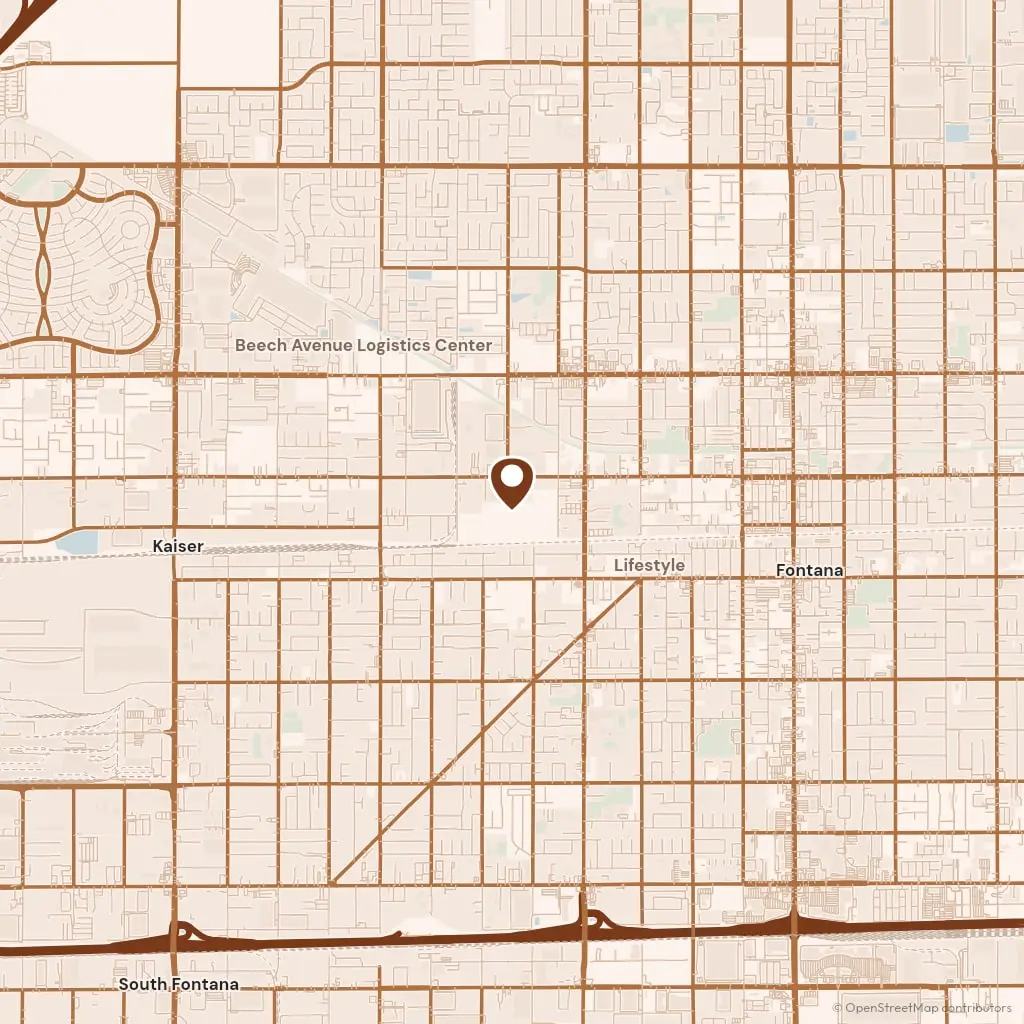
Our yard is in Fontana, up Interstate 15, so a crew reaches Norco in under half an hour at the Second Street or Sixth Street exit. Plans go to the City of Norco building department in Riverside County. Norco keeps rules of its own over and above the California Residential Code, and the one that matters most to concrete is the trail. Nearly every street has a dirt horse trail where another city would have a sidewalk, so a drive apron is drawn to stop at the trail line.
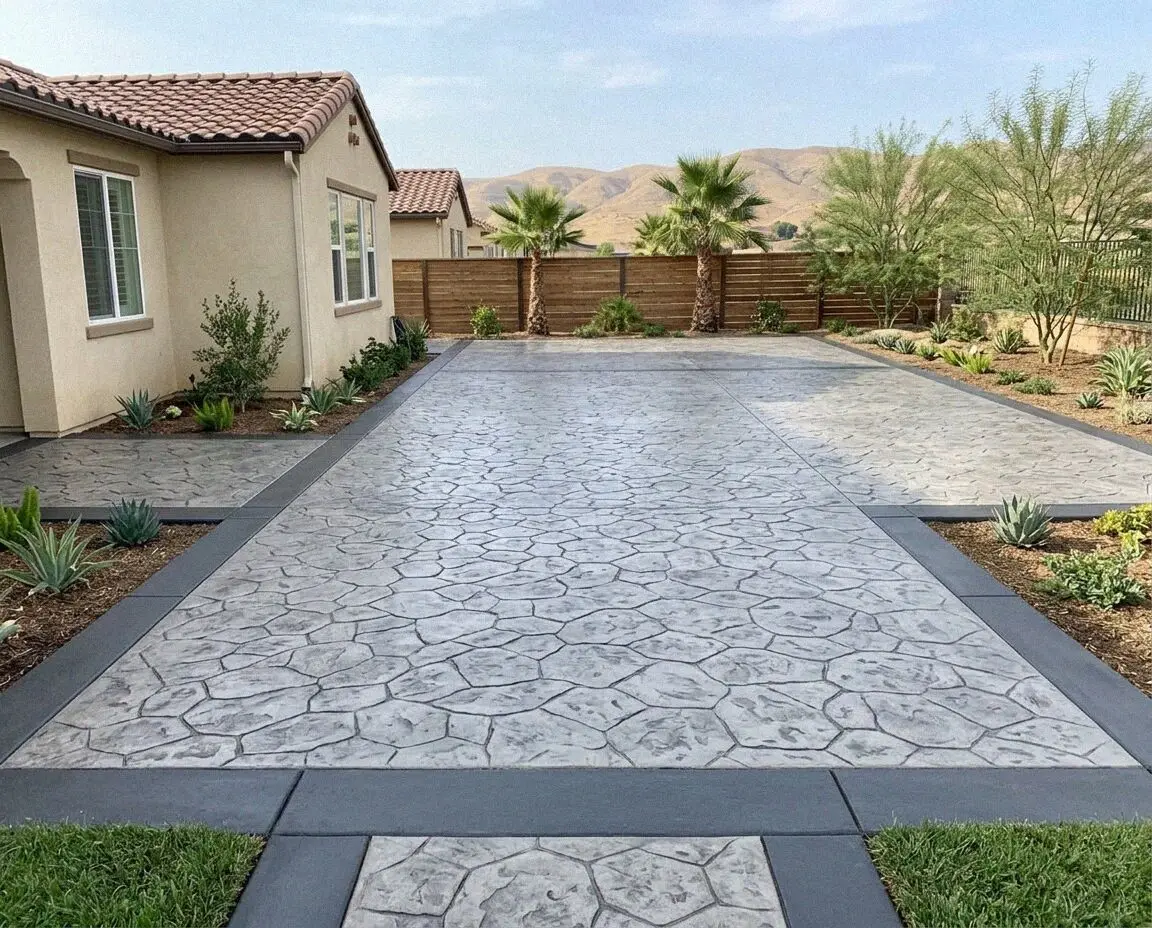
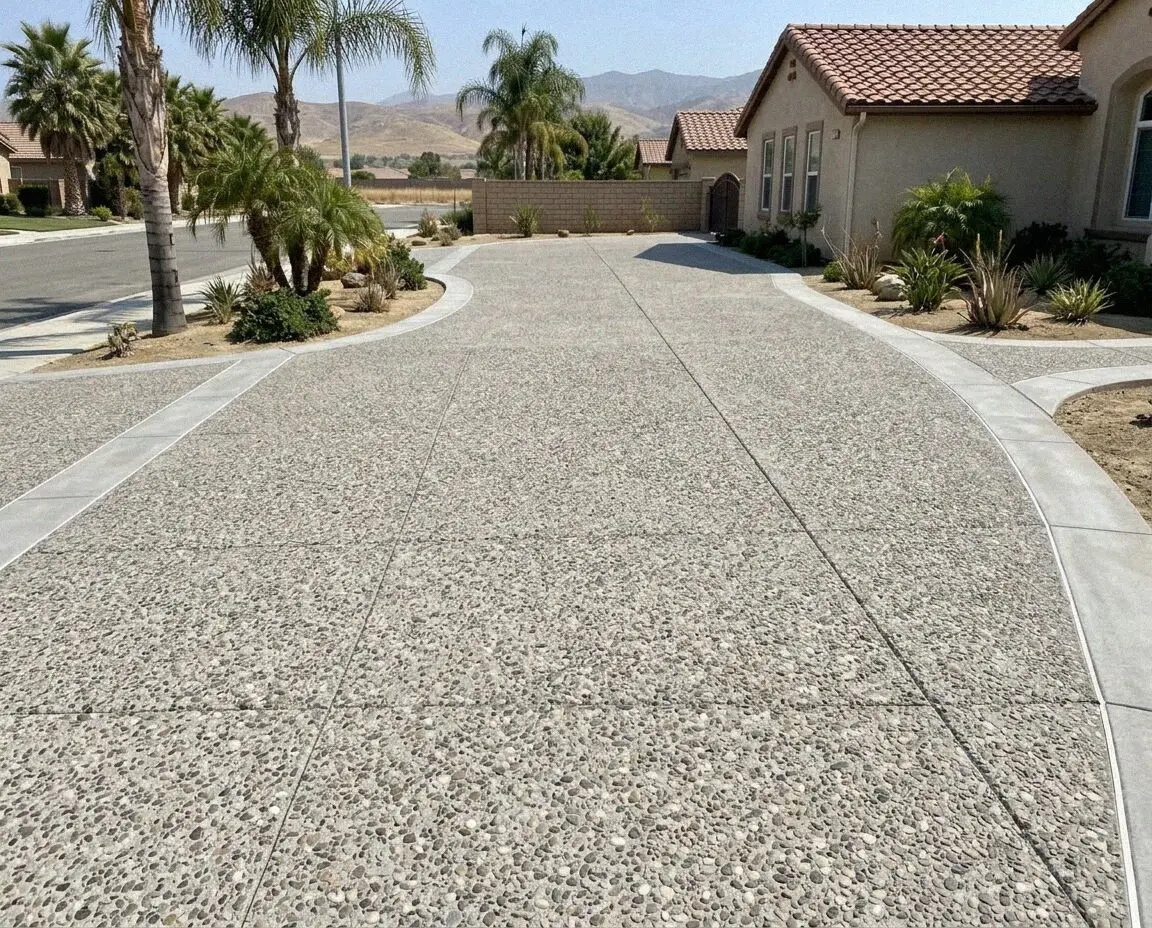
Old Town along Sixth Street and the flats west of Hamner Avenue are the 1950s to 1970s ranch houses on half-acre lots, with a barn, a corral or an arena behind the house and a drive that runs 150 feet to reach it. That length is the job. A mixer can drive most of it, so the pour is chuted rather than barrowed, and the slab is jointed every 10 feet so it cracks where we cut. Norco Hills, east of the freeway, is 1990s and 2000s tract housing on graded pads, nearer our work in Eastvale.
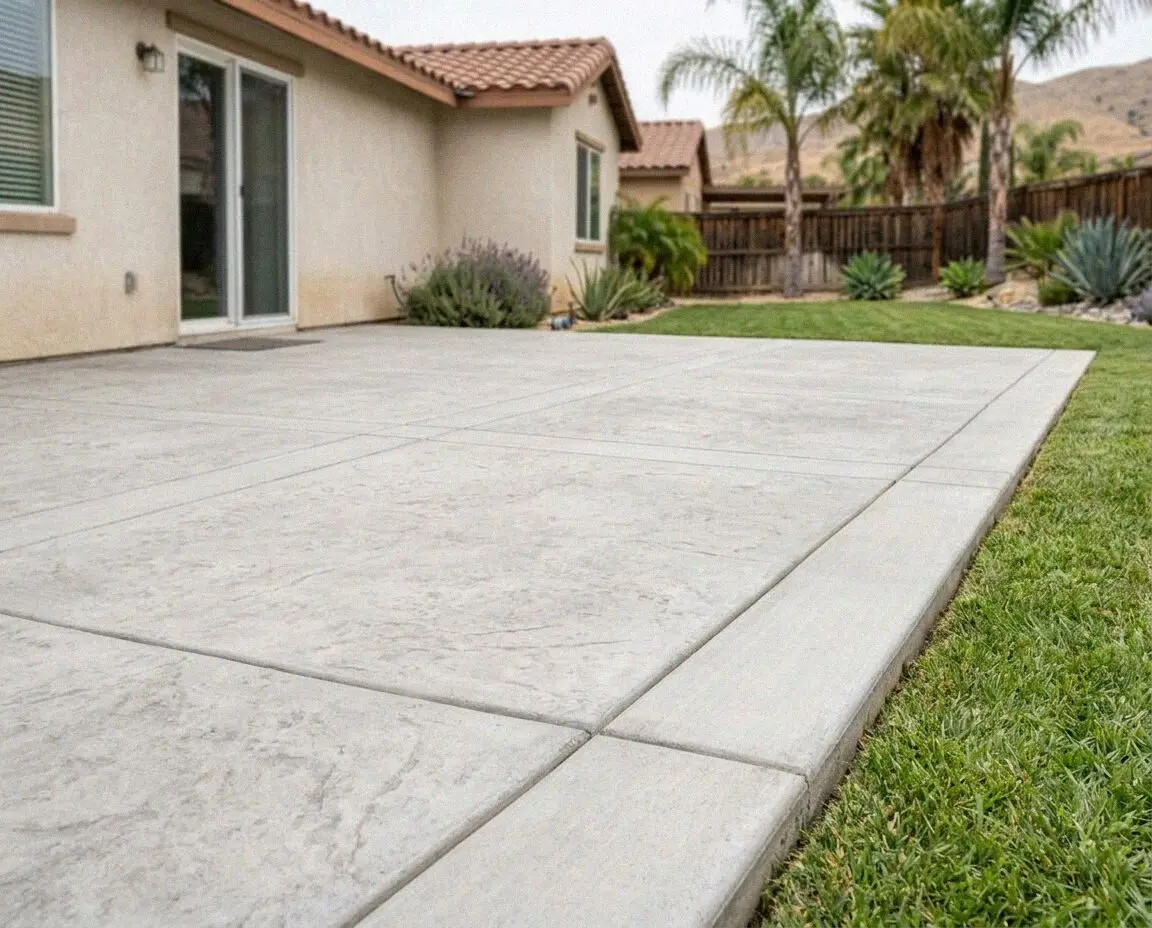
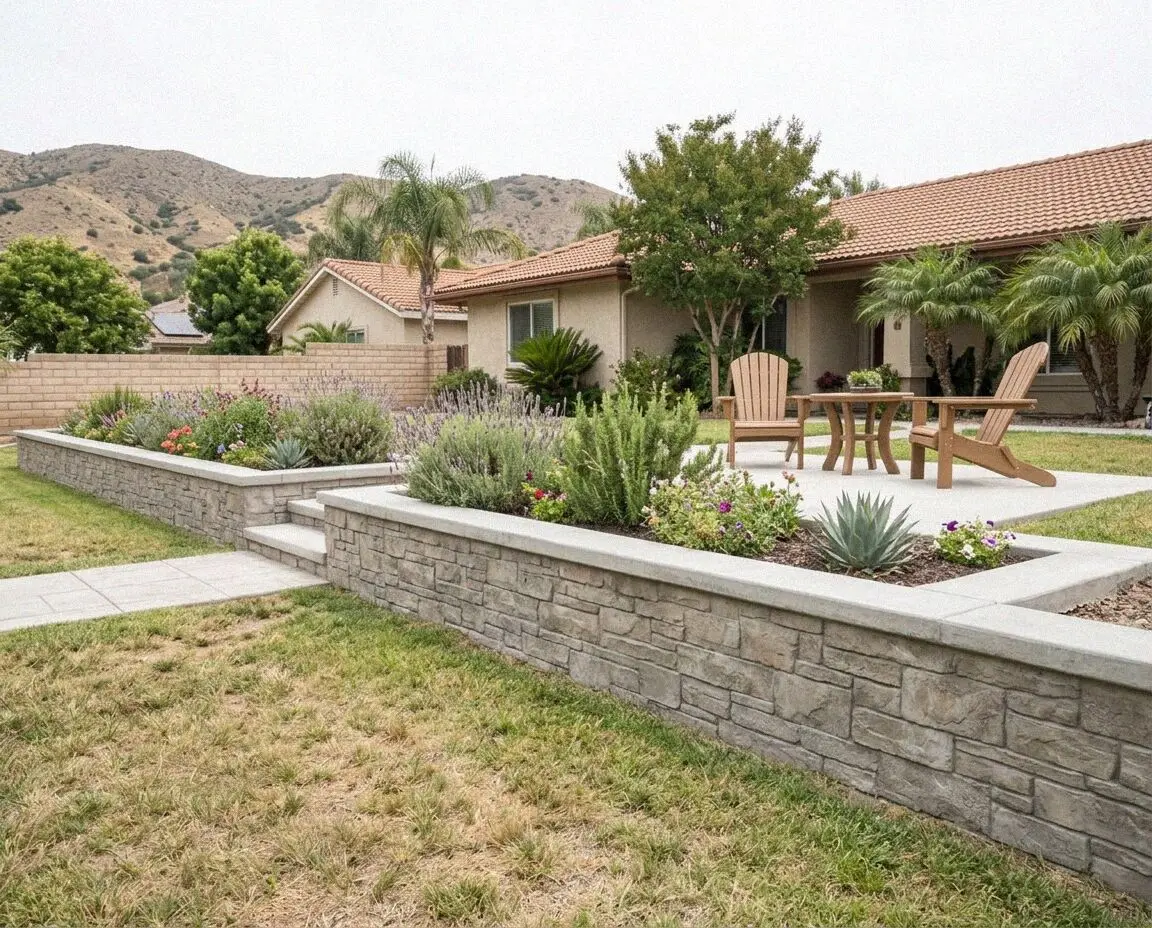
The river fixes the drainage and the calendar. Lots on the flats fall toward River Road and the Santa Ana, and a slab is graded the same way, so a wash rack or a patio sheds toward the river side of the property rather than back at the house. Winter is short and wet, and we pour through it on sand that drains overnight rather than clay that stops work for a week elsewhere. From June through September the flats hold heat past dark, so we batch early and pour by 7.